The profile and website have different jobs
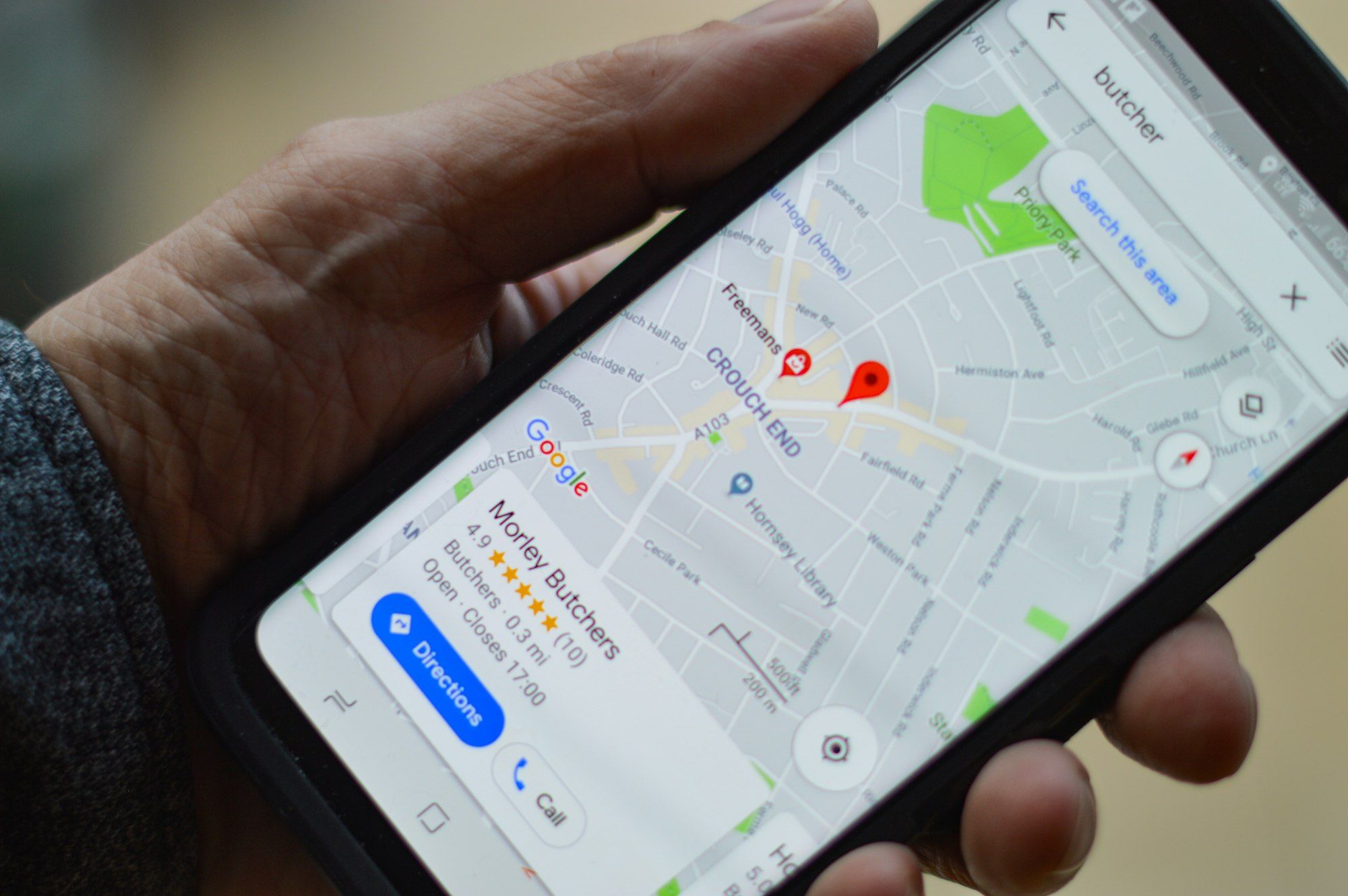
A Google Business Profile helps a local searcher discover and compare a business quickly. The website provides the depth needed to understand services, evidence, process and suitability. Treating either one as a replacement for the other leaves part of the decision unsupported.
Keep core information consistent
Business name, contact details, service areas, hours and main categories should agree with the website and other trusted listings. Consistency reduces customer confusion and gives search systems clearer entity information.
Send visitors to the most relevant page
The main website link should lead to a useful landing page. Where supported, service or appointment links should match the action being offered. Do not send every local visitor to a generic page when a stronger service page exists.
Use reviews as decision evidence
Ask customers for honest reviews without scripting the response. Reply professionally and use the feedback to understand which parts of the experience customers value. Reviews displayed on the website should remain attributable and should not be edited into a different claim.
Publish useful updates, not filler
Profile updates can highlight completed work, new guidance, availability or a meaningful service change. Link them to a page that adds context. Repetitive promotional posts create activity but not necessarily usefulness.
Measure actions across both surfaces
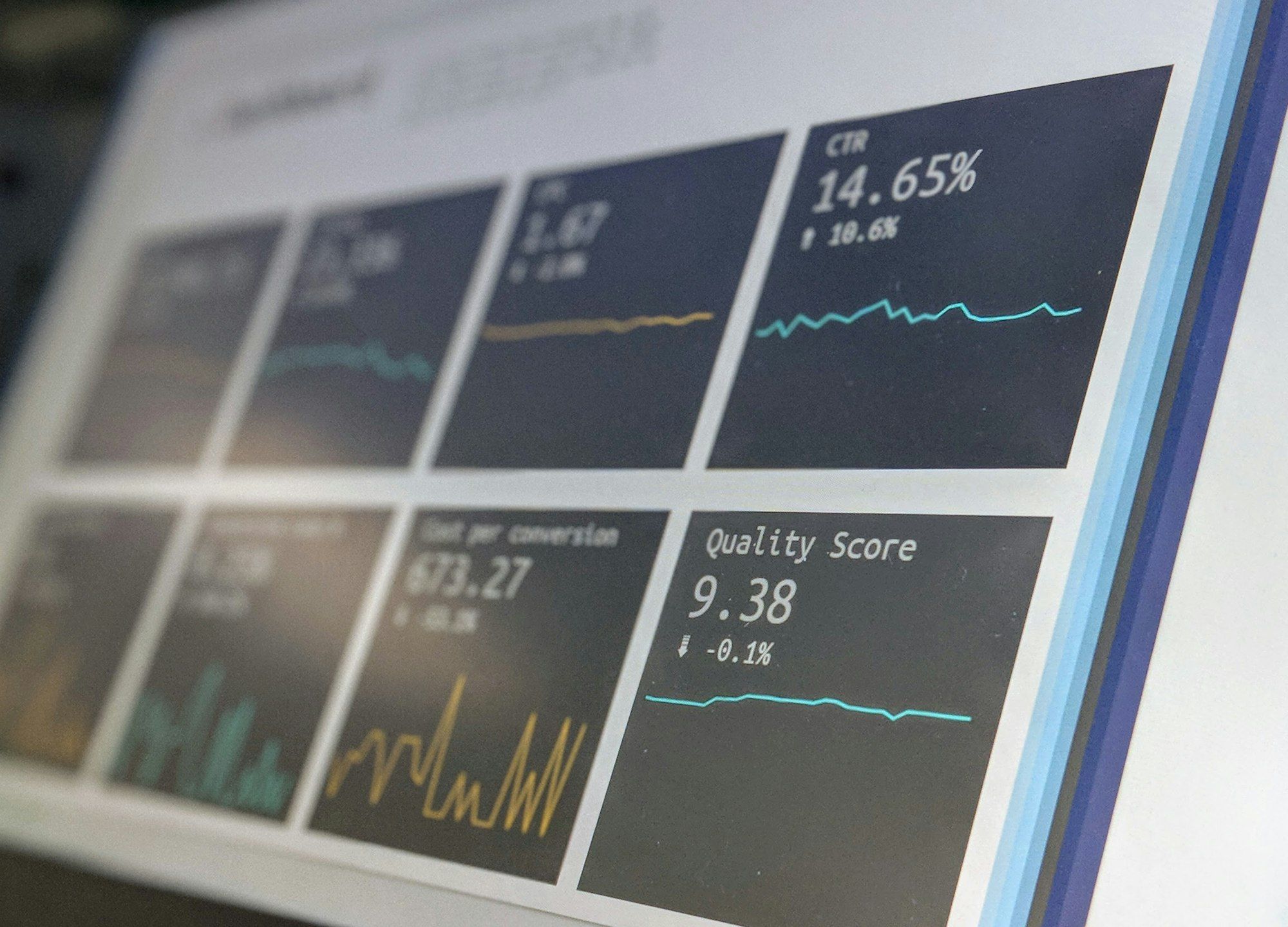
Review profile calls and website visits alongside website enquiries and landing-page behaviour. Use tagged links where practical. The objective is not profile engagement alone; it is a clear route into a suitable customer conversation.
A practical next step
If you want to understand how your website, local visibility and enquiry handling work together, start with a conversation. Clear Cut Creative will recommend the smallest sensible next step rather than a predetermined package.