
Give the page a genuine local purpose
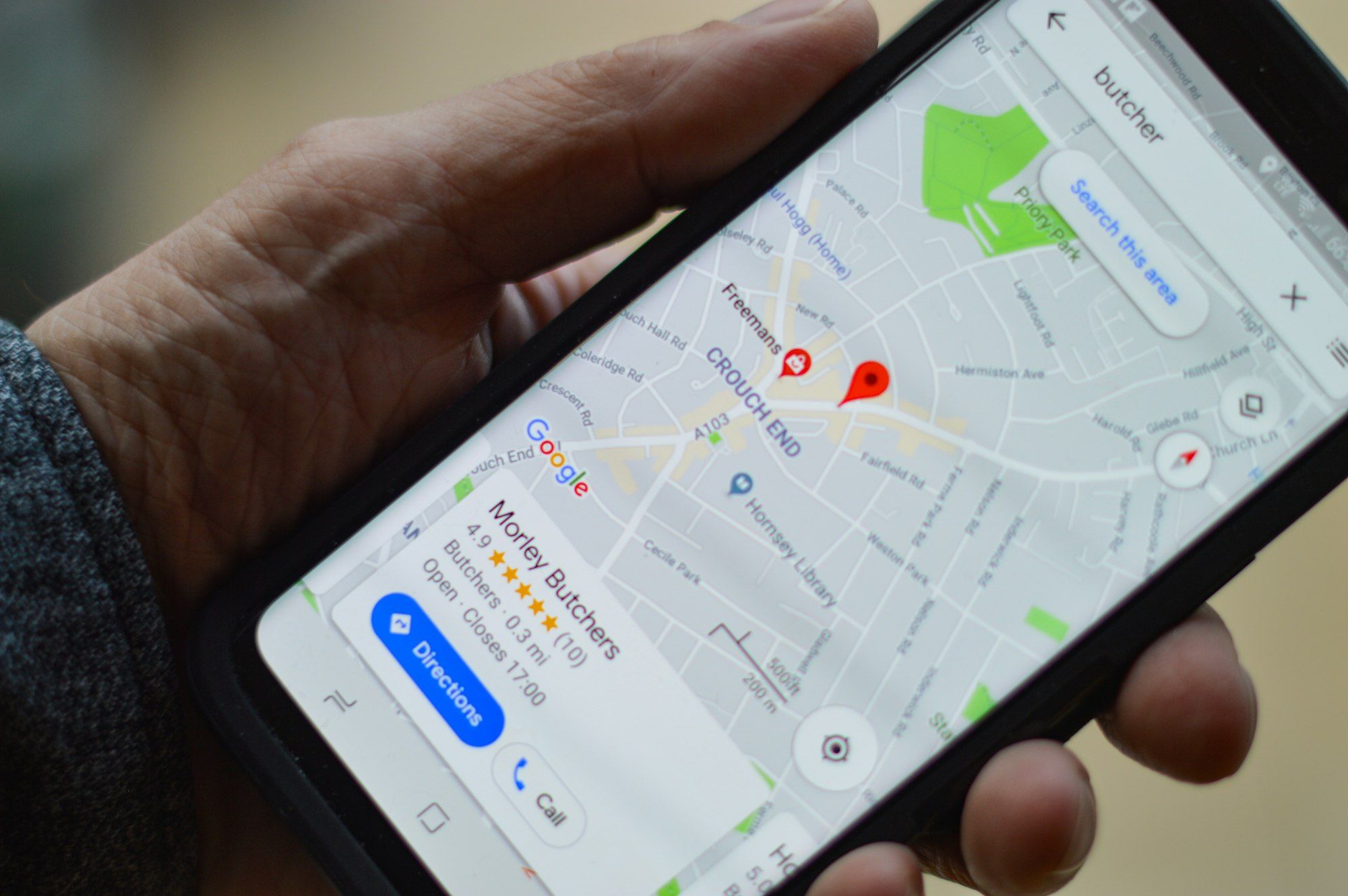
A local page should help someone in that area make a decision. Changing a town name in the same paragraph dozens of times is not local usefulness. Explain the service, the type of customer it suits, the practical area covered and the evidence that supports the claim.
Create a page only when the business genuinely serves the location and can add information that is useful there.
Answer the first decision quickly
The opening should confirm what is offered, where it is available and why the provider is relevant. Avoid a long history before the visitor can establish whether the page answers the search.
Show proof close to the promise
Use relevant projects, customer comments, photographs, memberships or working arrangements. If there is no office in the location, do not imply that there is. A service-area statement is more trustworthy than a false local address.
Explain the route into the service
Describe what happens after contact: the initial conversation, information needed, site visit where relevant, proposal, delivery and follow-up. This reduces uncertainty and helps the visitor judge whether the approach fits.
Use local questions carefully
Frequently asked questions should answer real concerns such as travel, availability, response times, regional regulations or how remote and in-person work are combined. They should not exist simply to repeat the town name.
Connect the page to the wider website
Link to the main service, relevant projects, useful guidance and a clear contact route. The local page should be part of a coherent site architecture rather than an isolated doorway created only for search engines.
A practical next step
If you want to understand how your website, local visibility and enquiry handling work together, start with a conversation. Clear Cut Creative will recommend the smallest sensible next step rather than a predetermined package.